AI vs Human: What Actually Converts Admissions in Behavioral Health?
Every behavioral health organization invests in generating admissions inquiries. But what happens after the phone rings determines whether that investment pays off — and most facilities are losing more opportunities than they know, often during staffed business hours, not overnight.
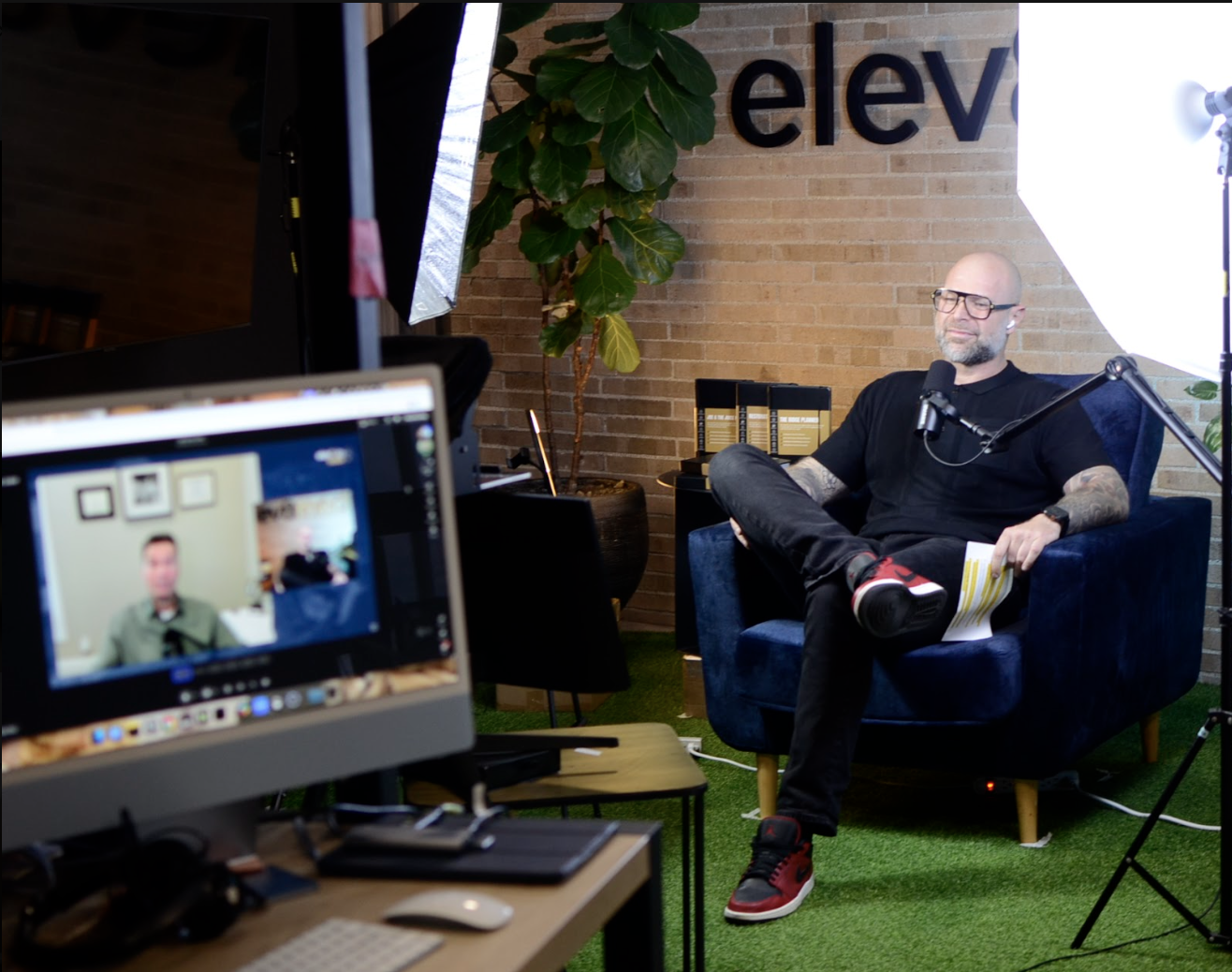
In this episode of The elev8.io Podcast, Gary Garth sits down with Drew Powers, Chief Growth Officer at Rollover Rep, to break down the real cost of missed calls, why AI voice is no substitute for a trained human in behavioral health, and how treatment centers can build admissions infrastructure that protects the marketing investments driving census growth.
Key Takeaways
- Most missed calls happen during staffed hours, not overnight. By volume, facilities miss more opportunities during the business day — when call volume is highest and admissions teams are stretched — than after hours where the miss rate is 100% but the volume is small.
- Answering every inquiry is a revenue-generating activity. A missed paid-search call at $150–$300 per lead rarely gets retrieved. Think of overflow coverage as conversion optimization, not a cost center — the math on ROI is straightforward.
- AI voice is voicemail 2.0 — better than nothing, but not better than a human. In behavioral health, callers know when they're talking to a robot. The hang-up rate for AI voice reflects a trust problem, not a technology limitation. Only 1-in-20 callers leave a voicemail; AI voice fares similarly.
- AI's real value in admissions is agent-assist, not replacement. The future is AI coaching reps in real time — surfacing objection scripts, timing value moments, improving consistency — so facilities get better conversion without replacing the human connection that closes the call.
- Don't cut revenue-generating systems during census pressure. When census falls, the instinct is to reduce costs. Drew's clear advice: optimize and outsource smarter, but never cut the systems producing admissions.
“It is just generally the right thing to do to answer a behavioral health call with a human.”— Drew Powers, on why AI voice cannot replace human connection in admissions
Episode Chapters
- 00:00Why missed calls remain one of behavioral health's biggest blind spots
- 03:00Drew's journey from recovery to leading growth at Rollover Rep
- 07:00Why achieving a 100% answer rate is difficult for most facilities
- 11:00What the data reveals about missed calls during staffed business hours
- 17:00The financial impact of missed admissions opportunities
- 21:00Why answering missed calls should be treated as a revenue-generating activity
- 28:00Admissions optimization and the role of outbound follow-up
- 32:00AI vs human interaction in behavioral health admissions
- 38:00Why AI cannot replace trust, empathy, and human connection
- 43:00Hybrid AI + human admissions strategies
- 47:00Re-engaging past inquiries and improving conversion rates
- 53:00Drew's advice for behavioral health leaders navigating market challenges
Frequently Asked Questions
Why do most facilities miss more calls during business hours than overnight?
Because business hours are when call volume is highest. Overnight, if nobody is staffed, the miss rate is 100% — but the volume is small. During the day, even a 5–10% miss rate across hundreds of calls represents far more lost opportunities by absolute number. Admissions teams are busy, calls overlap, and the infrastructure to catch every call is rarely in place.
What's the true financial impact of a missed admissions call?
For a facility spending $150–$300 per paid-search lead, a missed call is rarely retrieved. Most callers who don't reach someone immediately move on to the next result. If even a small percentage of missed calls could have become admissions, the revenue impact quickly dwarfs the cost of an overflow service. The ROI math typically pays for itself within the first month.
Should treatment centers write off after-hours calls as low quality?
No — and doing so is one of the most dangerous assumptions in admissions. You can't qualify a caller before you answer. The acuity of someone calling at 3 AM is often higher than a daytime caller. Drew's rule: you qualify calls after answering them, not before. The moment of intent is fragile and can't be predicted by time of day.
Why won't AI replace human admissions teams in behavioral health?
Because behavioral health admissions isn't a product transaction — it's selling trust, hope, and human connection. Callers know when they're talking to a robot, and many hang up immediately. Even if AI technology becomes technically perfect, Drew predicts humans will still convert at higher rates because the person in crisis needs to feel that someone genuinely cares — something AI fundamentally cannot deliver.
What's the difference between a missed call and an abandoned call?
A missed call is one that rings through and nobody answers. An abandoned call is one where the person hung up while waiting — often due to long hold times or confusing phone trees (IVR). Facilities frequently conflate the two, which distorts the picture of where the real opportunity lies. Rollover Rep audits help separate the two so operators can address root causes correctly.
How does the Rollover Rep outbound dialing program work?
Treatment centers provide a lead list — past inquiries, alumni, cold leads — and Rollover Rep's human agents dial on their behalf. Facilities only pay when an agent actually reaches someone and transfers a qualified, live conversation to the admissions team. There's no subscription fee, no base cost — payment only on successful transfers. It's designed to recover the long tail of leads that most admissions teams never get back to.
Where does AI genuinely help in admissions operations?
Agent-assist technology is where AI creates the most value. AI listening to calls in real time can surface objection-handling scripts, flag the right moment to present value, and help less experienced reps perform at a higher level. This improves conversion rates without removing the human element. AI-first answering works best as an upgrade from voicemail for after-hours overflow, structured data capture, and CRM integration — not as a front-line replacement for live intake conversations.
What advice does Drew give behavioral health executives facing census pressure?
Don't cut the systems that generate revenue. When census falls, the natural reaction is to reduce costs — including marketing and admissions support. Drew argues this accelerates the problem. Optimize and outsource where it's more efficient, diversify acquisition channels, stay sharp on SEO and digital, and work with reputable directories like Recovery.com. Thinning in the market will happen over the next few years; the organizations that invest in admissions infrastructure will be the ones that survive it.
Full Transcript
Cleaned and speaker-labeled. Jump to any moment via the chapters above, or open the complete transcript below.
Read the full transcript12 chapters · ~57 min
Why missed calls remain one of behavioral health's biggest blind spots00:00
Drew's journey from recovery to leading growth at Rollover Rep03:00
Gary Garth: Hi everybody. Welcome back to The elev8.io Podcast, the thought leadership platform designed for behavioral health executives navigating growth, innovation, and impact. Today we're diving into a topic that affects every treatment center in the country, yet surprisingly few organizations know how to truly measure it. Most providers spend significant time and money generating admissions inquiries — but what happens after the phone rings? How many opportunities are being missed? How many families never receive a response? And how much revenue and patient impact is being lost because of admissions inefficiencies? At the same time, AI voice technology is rapidly entering the conversation, creating both excitement and uncertainty. So the question becomes: is AI the future of admissions, or are we overlooking the value of human connection during the most important conversations a family will ever have? Joining us today is Drew Powers, Chief Growth Officer at Rollover Rep. Drew and his team answer more than 400,000 behavioral health calls annually and help treatment providers improve admissions performance, reduce missed call opportunities, and better connect prospective patients with the care they deserve. Drew, welcome to the show.
Drew Powers: Hey Gary. Good to be here with you.
Why achieving a 100% answer rate is difficult for most facilities07:00
Gary Garth: Why don't you give our listeners a quick background on who you are and how you came to this role?
What the data reveals about missed calls during staffed business hours11:00
Drew Powers: I got sober about 15 years ago, became a drug and alcohol counselor at the facility I got sober at — like a lot of people. Since then I've been an interventionist, worked in sales and business development, and found behavioral health marketing really interesting. I wound up at a place called Sandstone Care as CGO for eight years. We grew from a very small IOP to a multi-state teen and young adult treatment organization. I was overseeing marketing, digital marketing, admissions, and business development. Most recently I joined Rollover Rep, which was actually a longtime customer of mine. I met the founder Stefan many years ago when he was at Recovery Brands. He'd been beating the drum about missed calls for 10 years, and it finally feels like everybody's talking about it — but they're talking about it through the lens of AI. That created an interesting strategic question for a business that's always been human-centered: where does AI come in? Stefan and I were working through that together, and eventually I said, this is something I'd really like to work on full-time.
Gary Garth: At elev8.io we've been a long-term partner with Rollover Rep. We even have internal systems where when a client hits a certain missed call threshold visible in our dashboards, our account managers make an introduction. It's a difficult metric to manage — for both smaller and larger facilities, and depending on budget and channel mix, it's hard to predict. What are the most common challenges you see across your portfolio, and what are the misconceptions about managing call overflow with a high-performing admissions team?
The financial impact of missed admissions opportunities17:00
Drew Powers: For any size team, it's just kind of impossible — or at least highly inefficient — to staff to a 100% answer rate. If you generate 30,000 calls a month at 95% answer rate, that last 5% across 24 hours a day, 365 days a year is going to cost a lot to staff. Even if your number is 300 calls a month and you have one or two admissions people, that last bit could require two more FTEs — doubling your staffing cost just to catch the tail. And the problem is that everybody then automatically discounts that bucket of missed calls. Whether it's overnight, after 10 PM, early morning — we discount them because we're not staffed to them and our experience tells us they're bad calls. We call back in the morning, nobody answers, we leave voicemails. But what we never test is: what happens when we answer the first time? At a basic human level, that's what we're here to do — reach people when they reach out for help. That moment can be incredibly fleeting. Beyond that, you don't judge a call before it rings at 2 PM, so why are you judging one before it rings at 11 PM? We qualify calls after they've been answered, not before.
Why answering missed calls should be treated as a revenue-generating activity21:00
Gary Garth: You mentioned 400,000 calls annually. What does your data show about which calls are actually qualified? Are after-hours calls converting at a lower rate, or is it more nuanced?
Drew Powers: Two really interesting things here. First — it's in our name, so people assume we're mainly for after-hours. But most people, everyone I've ever talked to, miss most of their calls during their staffed hours. Your staffed hours are when most calls come in. Overnight, if you have nobody, the miss rate is 100% — but the volume is small. During the day by volume is where people miss the most. We always encourage operators to think 24-hour coverage, not just nights. Our technology allows us to split scripting based on time of day — warm transfer back to the admissions department quickly during business hours, handle differently overnight. The second thing: there is some correlation with overnight being lower quality, but it's skewed by lower numbers. The acuity of someone calling at 3 AM is often higher than someone calling at 6 PM. And your qualification rate changes not because the calls change — it changes when your service offering changes. The day you open a second location or a detox, more of those calls qualify. So I don't like benchmarking qualification rate too heavily because it's very specific to each provider.
Admissions optimization and the role of outbound follow-up28:00
Gary Garth: When I ask facilities whether they can filter missed calls by source, that usually reveals immediately whether they really understand this. A paid search missed call — that person is not loyal to your brand. They searched addiction treatment, clicked your ad, you didn't answer, and they're on to the next. Industry data shows conversion rate drops by 400% in a matter of minutes with a call-back versus live answer. With someone who's picked up the phone in a moment of genuine intent, not answering is almost marketing suicide. Are most of your prospective clients thinking of this as conversion rate optimization, or as a cost center?
AI vs human interaction in behavioral health admissions32:00
Drew Powers: Answering a missed call is a revenue-generating effort — that principle exists in every business. That's why facilities have an admissions team to begin with. We're just applying the same principle to overflow. Whether outsourced or insourced, answering the missed call is the primary objective. We give money-back guarantees — if you don't see an additional incremental admit in the first month that pays for the service, we'll pay you back. And when your current system is a voicemail, only about 1 in 20 people who miss you will leave a voicemail. So if you miss 20 calls, you have 19 you don't even know about. You're shooting completely in the dark on who to call back first. If one of those is something urgent — a current client in crisis — you have no way to prioritize it.
Gary Garth: Let's talk AI. Everyone and their mother is selling AI right now. We saw some clients jump onto AI voice and then shift back to human-answered calls because it just didn't work. How does your AI voice offering compare, and where do you recommend it?
Why AI cannot replace trust, empathy, and human connection38:00
Drew Powers: Everybody has the same underlying technology. They all run off large language models, they're all fed through Twilio, it's transcribing words and responding based on a knowledge base and prompting. The only proprietary piece is the knowledge base and prompting. Is Rollover Rep better positioned to do that prompting because we've answered millions of calls? Sure, maybe. But that's actually not why people hang up on AI. They hang up because it's AI. They know it's a robot. We all do it — call Comcast and the first thing you're doing is yelling "Agent. Agent." Because we're conditioned not to trust it. And even if AI somehow gets good enough to do everything perfectly — pre-screens, schedules the admission, handles every scenario — I'll still bet my salary for the next five years that you get lower conversion rates than with humans. Because we don't sell a product in this space. We're selling trust, relationship, compassion, hope. Those are human emotions. AI doesn't have them. If you're talking to AI, you already know one thing: it cannot care about you. It can't have any concern about what happens to you. And this is a healthcare industry where people are reaching out in crisis. About 1% of our calls have to be referred to 988 — people calling a treatment center who are contemplating ending their life. 988 doesn't staff their lines with voice AI for exactly that reason.
Hybrid AI + human admissions strategies43:00
Gary Garth: So where does AI voice fit?
Drew Powers: I call it voicemail 2.0. If your alternative was that the person leaves a voicemail, voice AI is dramatically better — it captures structured data, integrates into your CRM, gives you prioritization of who to call back and what happened overnight, can transfer to your agents. It's voicemail on steroids. But is it better than a human doing those same things? No — because a meaningful percentage of people simply will not interact with voice AI. They'll hang up, just like people don't leave voicemails. Where AI genuinely helps is agent-assist: AI listening to the call in real time, coaching the human rep — here's the obstacle, here's the best practice to overcome it, here's the right moment to present value, here's the right time to wrap up. That allows you to hire to a lower threshold and get better conversion rates. You get efficiency without removing the human element. That's where this goes. Not AI replacing admissions teams — AI making admissions teams better.
Re-engaging past inquiries and improving conversion rates47:00
Gary Garth: Fantastic. Drew, last question — if you had a loudspeaker for the whole industry and could send one message to admissions directors and behavioral health executives about improving census right now, what would it be?
Drew's advice for behavioral health leaders navigating market challenges53:00
Drew Powers: A lot of people are struggling right now. It's a difficult time in this industry — more competition, saturated markets, tighter belts. My recommendation: don't cut the things that generate revenue. Businesses are durable, but you have to protect the revenue-generating systems. Find ways to be more efficient. Outsource where it makes sense. Optimize your systems. Make sure you're working with good digital marketing partners, thinking ahead on SEO and the LLM landscape, and betting on reputable directories. But if you're struggling, now is the time to optimize the systems that generate admissions — not cut them.
Gary Garth: Amen. Very well said. Double down on what's driving revenue. Drew, thank you so much for your time and for sharing your wealth of knowledge. I highly encourage everyone listening to take Drew up on the free audit offer — it may shine light on opportunities you didn't know you were missing. Take care, everyone.
About the Guest
Drew Powers — Rollover Rep
Drew Powers is the Chief Growth Officer at Rollover Rep, a behavioral health-focused admissions support platform that answers more than 400,000 calls annually for treatment centers nationwide. With 15 years in behavioral health — including eight years as CGO at Sandstone Care, where he grew the organization from a small IOP into a multi-state teen and young adult treatment provider — Drew brings firsthand experience from both the provider side and the admissions support side of the industry. He is passionate about helping treatment centers optimize their admissions infrastructure, reduce missed opportunities, and protect the marketing investments driving census growth.
Connect on LinkedInAbout the Host
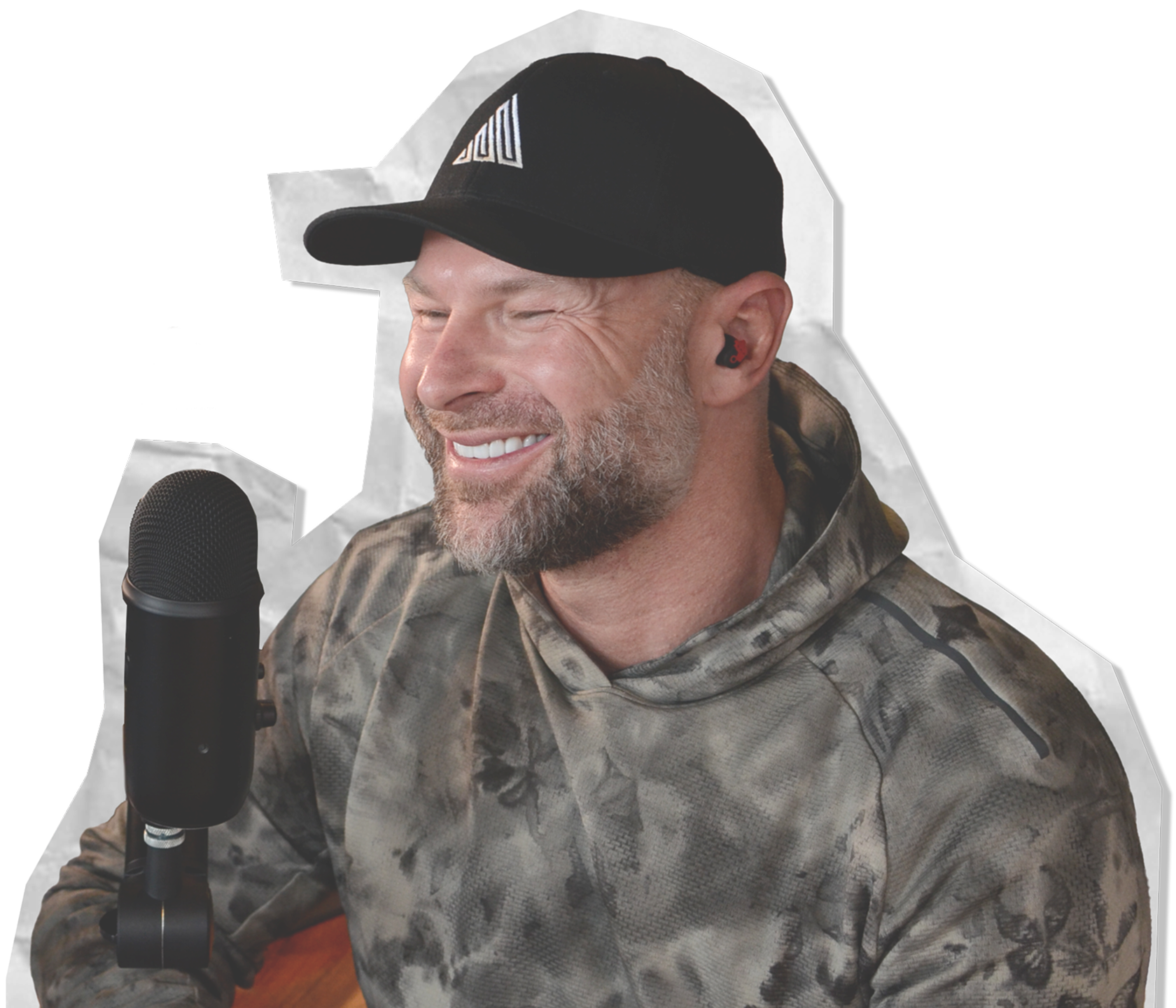
Gary Garth
Founder & CEO, elev8.io
Gary Garth is the Founder & CEO of elev8.io, where he helps behavioral health organizations achieve full census through integrated marketing, admissions, and technology-driven growth systems. With more than a decade of experience working alongside Google, Microsoft, and high-growth technology companies, Gary has built and implemented scalable growth frameworks now used by 55+ treatment centers across the United States to drive admissions and operational efficiency. Read more
Connect on LinkedInRelated from elev8.io
Curious what your true cost per admission is?
Run your numbers with our Behavioral Health Growth Calculator,
or talk strategy with our team.