In-House Pharmacies: Improving Recovery & Revenue in Behavioral Health
What if one of the biggest growth opportunities for behavioral health providers isn't finding more patients — but creating better continuity of care after discharge? In-house pharmacies let treatment centers generate meaningful revenue while maintaining a clinical touchpoint with alumni for months or years after discharge.
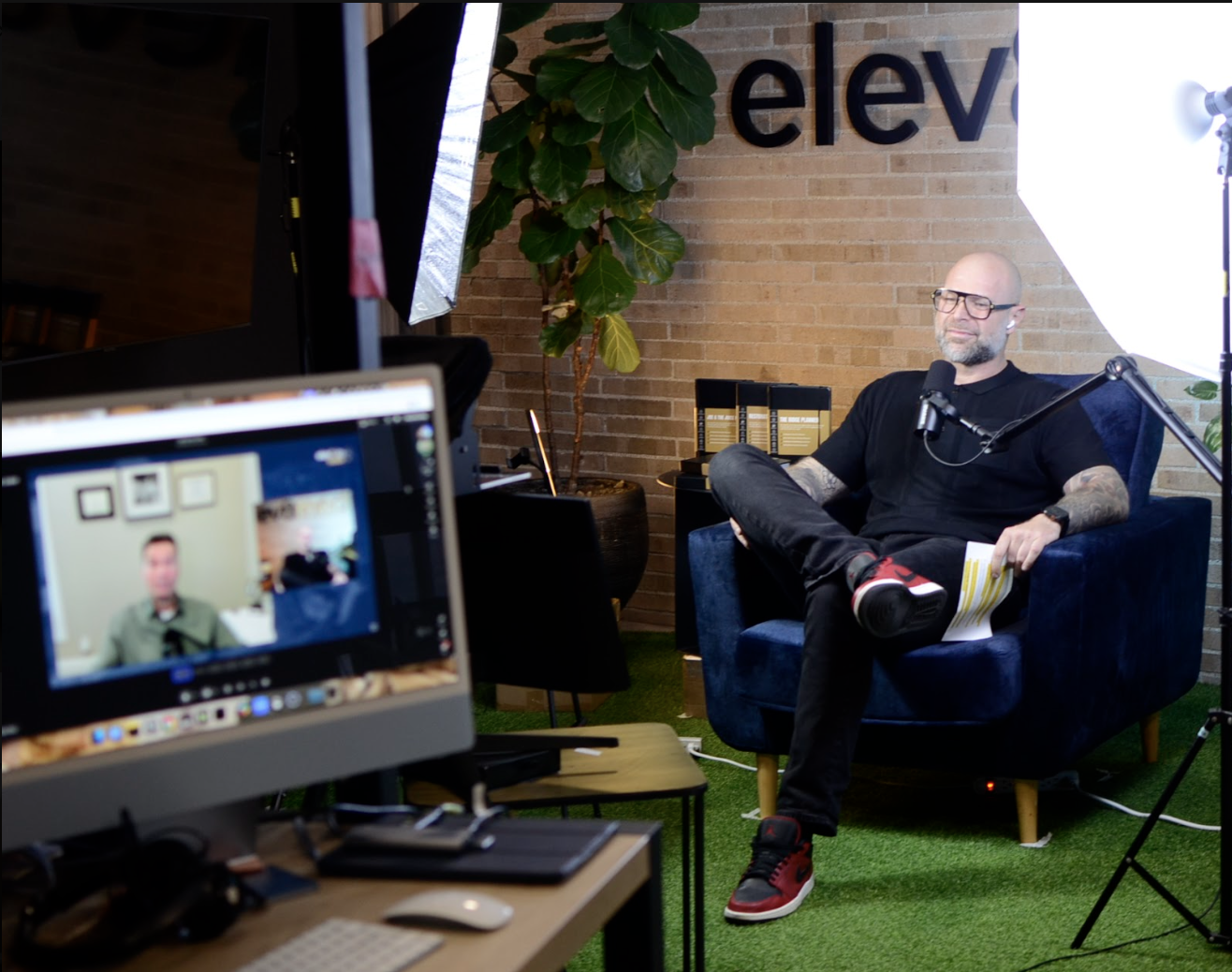
In this episode recorded live at the Recovery.com Marketing Summit, Gary Garth sits down with Steve Donai, Founder & CEO of Growth Sherpa Consulting, to unpack how in-house pharmacies work, what it takes to launch one, and the strategies that increase patient lifetime value — including why just answering the phone can literally save a life.
Key Takeaways
- In-house pharmacies create a second revenue stream. Treatment centers with pharmacies of their own generate meaningful ongoing revenue while maintaining clinical touchpoints with discharged patients — directly addressing the single-revenue-stream vulnerability most facilities face during seasonal census dips.
- Post-discharge engagement improves outcomes and re-admits. When alumni stay with their facility's pharmacy for medication (rather than going to Walgreens and facing stigma), the facility retains HIPAA-compliant visibility into their health status — enabling earlier re-engagement if relapse indicators appear.
- Outcomes data is behavioral health's biggest blind spot. Unlike most healthcare verticals, many treatment centers can't measure how their patients are doing post-discharge. In-house pharmacies fix this with medication-linked outcomes tracking — letting you know who you treat best and refine your marketing accordingly.
- Increase length of stay before chasing new admissions. Adding just 2 days to average LOS in a 30-bed facility is equivalent to 1–2 additional admissions per month. AMA-blocking protocols — built on compassion and urgency, not pressure — and cohesive patient populations are the highest-leverage LOS tactics.
- Answer every call — zero tolerance for missed calls. The biggest magic wand Steve would wave: a warm, compassionate person answering every single call. A person who calls may never call again — shame, guilt, and fear can silence them permanently. Zero missed calls is the only acceptable benchmark.
“The biggest magic wand I'd wave? Just answer the phone. That person might not ever make that call again.”— Steve Donai, Founder & CEO — Growth Sherpa Consulting
Episode Chapters
- 00:00Growth Sherpa's cross-departmental approach to behavioral health
- 01:00Why treatment centers need diversified revenue streams
- 02:00The business case for in-house pharmacies
- 03:00Operational requirements before launching a pharmacy
- 04:00Managing admissions and pharmacy call workflows
- 05:00Alumni engagement and post-discharge continuity of care
- 06:00Why patient outcomes should shape future marketing
- 07:00The importance of measuring clinical outcomes
- 08:00Increasing patient lifetime value beyond admissions
- 09:00AMA prevention strategies that improve retention
- 10:00Mystery shopping admissions teams to improve conversions
- 11:00Why answering every phone call can literally save lives
Frequently Asked Questions
How does an in-house pharmacy improve treatment center revenue?
An in-house pharmacy owned by the treatment center generates ongoing prescription revenue from current patients, discharged alumni, and potentially the surrounding community (if opened publicly). It diversifies the single billable-days revenue model and provides revenue stability during seasonal census dips like December.
What infrastructure does a treatment center need before adding an in-house pharmacy?
A proven operational foundation: a telephony system capable of routing pharmacy calls separately from admissions calls, HR infrastructure to handle additional staffing complexity, core values and internal systems that are already working, and a CRM or clinical management system for tracking patient records. New programs without established infrastructure are not good candidates.
How does an in-house pharmacy improve post-discharge outcomes?
Alumni who fill prescriptions through their treatment center's pharmacy maintain an ongoing clinical relationship. The facility retains HIPAA-compliant visibility into medication changes — which can serve as early relapse indicators. This enables proactive re-engagement before a crisis rather than reactive response after one.
What is AMA-blocking and why does it matter for census?
Against Medical Advice (AMA) departures represent patients who leave before completing their treatment episode. Strong AMA-blocking protocols — built on urgency and compassion rather than pressure — reduce early departures, increasing average length of stay. In a 30-bed facility, adding just 2 days to average LOS is equivalent to 1–2 additional admissions per month without any new marketing spend.
Full Transcript
Cleaned and speaker-labeled. Jump to any moment via the chapters above, or open the complete transcript below.
Read the full transcript12 chapters · ~13 min
Growth Sherpa's cross-departmental approach to behavioral health00:00
Gary Garth: Hey everyone, we're here at the Recovery.com Marketing Summit in Madison, Wisconsin. I'm sitting with Steve Donai from Growth Sherpa. We were just on the tech expert panel together, and I'm going to hit him with some curve-ball questions. Steve, do you want to introduce yourself?
Why treatment centers need diversified revenue streams01:00
Steve Donai: Sure. Steve Donai, Founder and CEO of Growth Sherpa Consulting. Based out of Charlotte, North Carolina.
The business case for in-house pharmacies02:00
Gary Garth: What is Growth Sherpa focusing on right now in terms of revenue streams, and how are you helping behavioral health facilities?
Operational requirements before launching a pharmacy03:00
Steve Donai: Growth Sherpa is cross-departmental by nature. All our projects involve admissions, marketing, BD, and some multi-departmental component. What we're really focused on right now is finding ways to solve challenges that treatment centers don't know they have. One of those is the singular revenue stream problem — you have billable hours and billable days, and that's it. Add in the seasonality December brings every year, and you've got facilities freaking out over census every winter. So we've partnered with another company to help treatment centers install in-house pharmacies. The treatment center actually owns the pharmacy. It's a considerable new revenue stream — but what it also solves is post-discharge continuity. How many patients leave and say "I can't get my meds, I can't see a doctor"? With an in-house pharmacy they can stay engaged with their treatment center for months, years. The facility has a clinical reason to maintain that connection.
Managing admissions and pharmacy call workflows04:00
Gary Garth: I love it — Blue Ocean strategy to the T. What's the ideal client profile for this?
Steve Donai: I wouldn't do this for a brand-new program. It works for facilities that have their infrastructure in place — a telephony system, an HR department that can handle additional complexity, core values and internal systems dialed in. The first client we introduced it to, we helped them build everything from the phone system to staff training to CRM before we even introduced the pharmacy concept.
Alumni engagement and post-discharge continuity of care05:00
Gary Garth: When you add a pharmacy, how do you make sure it doesn't hit those 30–40% missed call rates on the admissions line?
Why patient outcomes should shape future marketing06:00
Steve Donai: Completely separate line of answering. It's truly a different business — a different LLC. The phone number is different. You have IVR routing so that even if someone accidentally hits the main number, they can be directed straight to the pharmacy. You cross-train admissions staff minimally, but you don't want admissions people filling prescriptions. And you decide: is this a closed pharmacy for patients and alumni only, or do you open it to the public? In areas with pharmacy deserts, there's actually a compelling case for opening it publicly.
The importance of measuring clinical outcomes07:00
Gary Garth: What are the projections for alumni engagement and re-admissions as a result of this initiative?
Increasing patient lifetime value beyond admissions08:00
Steve Donai: Let's say one-fifth of discharged patients stay with your pharmacy. They don't want to go to Walgreens and disclose they need Suboxone — they stay connected with your facility's pharmacy and get drop-ship delivery. You now have HIPAA-compliant visibility into their health status. If new medications suddenly hit the chart — medications associated with overdose treatment — you know immediately that person may have relapsed and can reach out. It's also incredibly valuable for outcomes data. You can now see how people are doing post-discharge in a trackable way, which lets you refine your front-end marketing to target the patients you achieve the best outcomes with.
Gary Garth: So it creates a cyclical approach — better outcomes data drives better marketing targeting, which drives better admissions. Beyond the pharmacy, what are the other highest-leverage ways to increase patient lifetime value?
AMA prevention strategies that improve retention09:00
Steve Donai: Strong AMA-blocking protocols are probably the biggest. I've worked with organizations whose AMA blocking is outstanding — they really empathize, they get with the person, they make it genuinely difficult to leave in a compassionate way. Average length of stay compounds. If you have a 30-bed facility and you can increase LOS from 28 to 30 days, that's equivalent to an admission or two without acquiring a new patient. And there's actually a crisis intervention billing code for AMA attempts — so you can do it and get reimbursed. The other big one is knowing your core demographic and marketing specifically to them. When facilities take anyone who wants to get sober without regard for program fit, milieu gets sideways fast and ten people AMA on Monday morning.
Mystery shopping admissions teams to improve conversions10:00
Gary Garth: You've done some mystery shopping at facilities. Tell us about that.
Why answering every phone call can literally save lives11:00
Steve Donai: I've gone undercover a few times under an alias. I show up as a patient and admit. Each time I'll fake an AMA and see how staff reacts. The best time I did this — it was like kicking a hornet's nest. They were all in action so quickly. I was immediately in the director of nursing's office. It was quick, precise, and compassionate. Not lackadaisical at all. That sense of urgency is what keeps people in treatment. I also have admissions reps call other facilities under an alias and report back: what did they like about the call? What felt off? What would they steal? We can learn a lot from each other.
Gary Garth: Final question: if you had a magic wand to change one thing in this industry, what would it be?
Steve Donai: There's a lot of different ways to go with that. Outcomes visibility is a big one. But honestly, the biggest magic wand — the one that would not only change the industry but save the most lives — is literally just picking up the phone when it rings. I always say there's a no-wrong-call policy: you call my facility, we answer immediately. And no matter whether you're a fit for us or not, we're going to make sure you get to a place that is. Because from the human side, that person might not ever make that call again. There's shame, there's guilt, there's fear. They decided at that moment to pick up the phone — and if it's not answered, they might say "God's telling me I'll go back to drinking." We're doing a huge disservice. If I could just wave a magic wand, it would be a compassionate, warm person on the end of that phone call every single time.
About the Guest
Steve Donai — Growth Sherpa Consulting
Steve Donai is the Founder & CEO of Growth Sherpa Consulting, based in Charlotte, North Carolina. With a background in surgical sales and years of hands-on work inside behavioral health facilities, Steve takes a cross-departmental approach — working across admissions, marketing, BD, and operations to solve the challenges treatment centers often don't know they have. He is known for his mystery-shopping methodology and his work on AMA prevention and revenue diversification.
Connect on LinkedInAbout the Host

Gary Garth
Founder & CEO, elev8.io
Gary Garth is the Founder & CEO of elev8.io, where he helps behavioral health organizations achieve full census through integrated marketing, admissions, and technology-driven growth systems. With more than a decade of experience working alongside Google, Microsoft, and high-growth technology companies, Gary has built and implemented scalable growth frameworks now used by 55+ treatment centers across the United States to drive admissions and operational efficiency. Read more
Connect on LinkedInRelated from elev8.io
Curious what your true cost per admission is?
Run your numbers with our Behavioral Health Growth Calculator,
or talk strategy with our team.