Brand Enhancement Strategies for Behavioral Health Companies
In behavioral health, your brand is a shortcut to trust — and in a space as urgent and personal as addiction recovery, that trust is often formed before a prospective patient or family member ever picks up the phone. Most facilities treat brand as decoration. The ones achieving full census treat it as strategy.
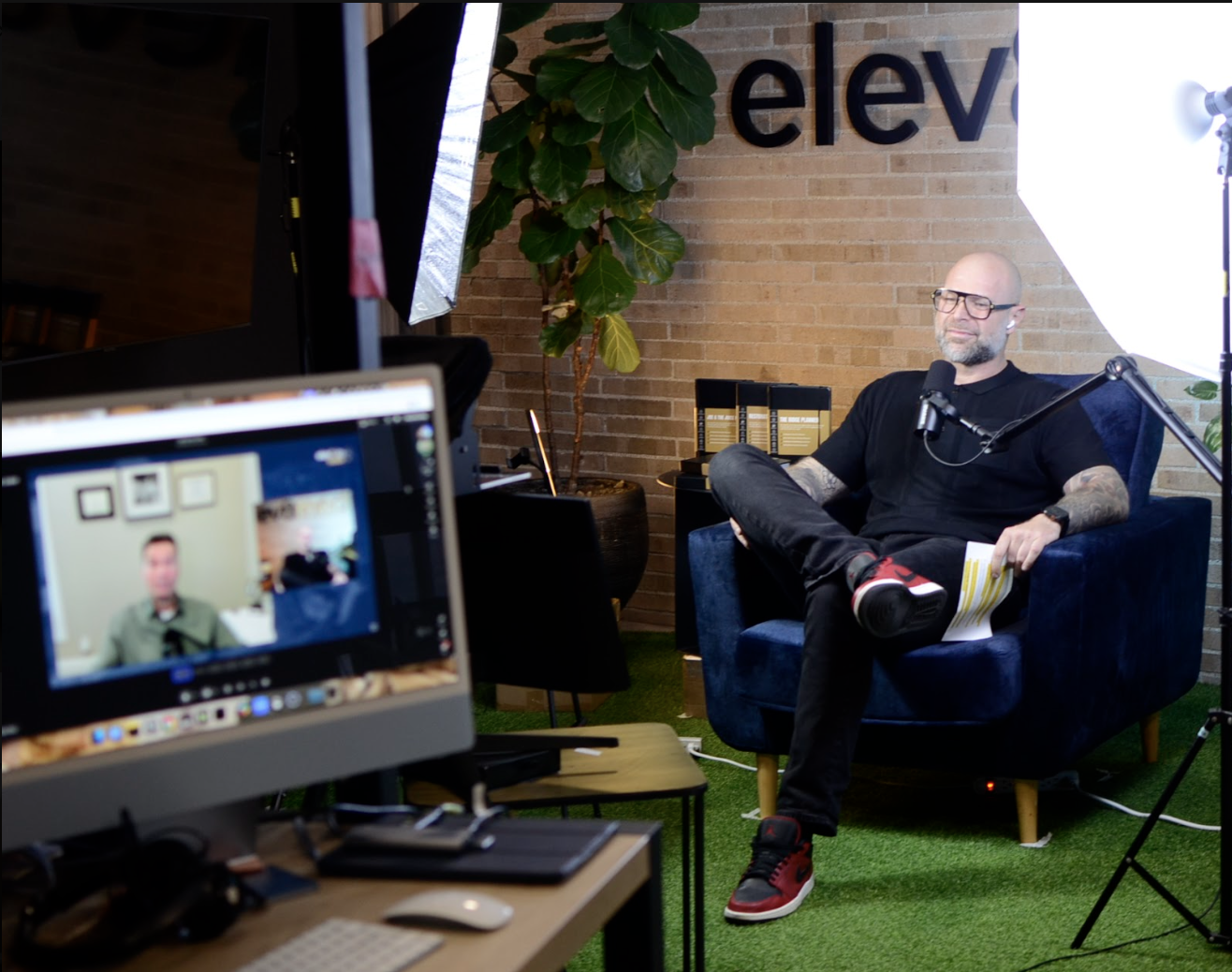
In this episode, Gary Garth sits down with Emma Stapleton, Director at Mint Partnership, following her keynote at the Recovery.com Marketing Summit. Drawing on 20+ years building brand equity for some of the world's largest consumer brands, Emma breaks down why behavioral health providers are leaving massive competitive advantage on the table — and the five brand moves every executive should implement.
Key Takeaways
- Brand is a shortcut to trust — not a logo. In behavioral health, prospective patients and families make trust decisions before they ever call. Your brand is the sum of every interaction, every piece of content, every staff member's tone. It's how people decide if you're a safe and legitimate facility aligned with their needs in a moment of desperation.
- Most behavioral health brands look identical. When every facility uses similar language at the same volume — emphasizing clinical credentials, compassionate care, and evidence-based treatment — patients face decision paralysis. Clear positioning and a distinct organizing principle break through.
- Brand is an organizing principle, not a marketing tool. Strong brands align every internal touchpoint — recruitment, admission scripts, room presentation, phone language, alumni follow-up — around a single core idea. Internal clarity drives external consistency. Brand equity compounds over time.
- Speak the language of your audience, not the category. Behavioral health jargon is impenetrable to most people seeking help for the first time. Brands that communicate in clear, emotionally resonant language reduce fear and friction at the moment of highest vulnerability.
- Every interaction is a brand moment. The way a phone is answered, the tone of a follow-up text, how a room is presented on day one — all are opportunities to reinforce or erode trust. There is no finish line with brand work.
“Your brand is a shortcut to trust. Every single moment you interact with your audience is a brand moment.”— Emma Stapleton, Director — Mint Partnership
Episode Chapters
- 00:00Why branding matters more than ever in behavioral health
- 03:00Emma's transition from global consumer brands to behavioral health
- 08:00Why brand should drive business strategy — not just marketing
- 13:00What defines a strong behavioral health brand
- 17:00The biggest branding mistakes treatment centers make
- 21:00Why behavioral health brands all begin to look the same
- 25:00Connecting brand strategy with business growth
- 29:00Building a long-term brand platform instead of short-term campaigns
- 33:00Five practical strategies to strengthen your behavioral health brand
- 39:00Why every interaction is a brand moment
Frequently Asked Questions
What is brand equity and why should behavioral health organizations care about it?
Brand equity is the intangible value your organization's name, reputation, and perceived identity create — independent of any specific marketing campaign. In behavioral health, brand equity means patients and families choose your facility because they trust it at an emotional level, before they've done detailed research. Organizations with strong brand equity see higher conversion rates, stronger referral relationships, better staff retention, and more defensible market positions.
Why do most behavioral health brands look the same?
Most behavioral health providers speak the language of the category rather than the language of their audience — using similar clinical credentials, compassionate-care messaging, and evidence-based language at the same volume. Without a distinct organizing principle or clearly defined target audience, all the messaging blurs together, creating decision paralysis for families researching care.
What is an 'organizing principle' and how do behavioral health facilities find theirs?
An organizing principle is the core idea that runs through everything your organization does — how you hire, how you treat patients, what your physical spaces feel like, how your phone gets answered. Finding it requires going deep inside the organization and asking: what do we do better than anyone else, and for whom? It's not a tagline. It's the filter for every decision. When your whole team intuitively understands it without needing a manual, you have it.
How does brand strategy connect to census and admissions performance?
Brand strategy reduces friction at the moment of highest vulnerability. A family researching treatment for a loved one at 2am has almost certainly formed an opinion about your facility before they call. Strong brands — those with clear positioning, consistent messaging, and trust signals across every touchpoint — convert that research into a call. Weak or inconsistent brands create doubt that prevents the call from happening at all.
Full Transcript
Cleaned and speaker-labeled. Jump to any moment via the chapters above, or open the complete transcript below.
Read the full transcript10 chapters · ~42 min
Why branding matters more than ever in behavioral health00:00
Emma's transition from global consumer brands to behavioral health03:00
Gary Garth: Welcome back to The elev8.io Podcast — the show for behavioral health leaders who are scaling with purpose and impact. Today's conversation isn't about Google Ads, AI Overviews, or business development strategies. However, it's equally, if not more important than these channels — and yet it's often ignored or considered a low-ROI initiative by many executives. Nothing could be further from the truth. Brand is the bedrock of your reputation, your company's DNA, and if done right, it can become a growth amplifier like no other marketing tactic. In behavioral health, your brand is much more than a logo — it's a shortcut to trust and loyalty. It's how people decide if you're a safe and legitimate facility that can align with their needs in their times of desperation and suffering. Joining us today is Emma Stapleton, a leading brand strategist in behavioral health. Emma helps organizations build brands that don't just look good — they drive outcomes commercially, clinically, and emotionally. Emma, welcome to the show.
Emma Stapleton: Thanks for having me, Gary. It's a pleasure.
Why brand should drive business strategy — not just marketing08:00
Gary Garth: You have a wealth of experience in brand strategy — I remember the slide with every household name you've worked with. What made you shift from traditional consumer brands to behavioral health specifically?
Emma Stapleton: I spent about 20 years in a very privileged position working with some of the world's largest organizations on how to create and grow brand equity across multiple markets — into new consumer groups, addressing different need states. The fundamental difference I brought is this: brand as a strategic driver of impact, not as a marketing tool. The tipping point was when I had children. Briefs would come in — how do we market this sugar to these people? — and the products weren't always additive to humanity. I thought: what if these tools were deployed with greater intentionality and purpose? Around that time I met my now business partner, who is deeply embedded in trauma, mental health, and wellbeing. I couldn't believe how much exists in this space — so many tools, modalities, innovations, the clinical application of psychedelics — and yet largely this category speaks to itself. I thought: here's the space where this approach, these tools, this way of thinking could really be the catalyst for the change we need to see.
What defines a strong behavioral health brand13:00
Gary Garth: Why should behavioral health executives prioritize brand enhancement just as much as paid search or admissions process development this year?
The biggest branding mistakes treatment centers make17:00
Emma Stapleton: My observation from talking to many behavioral health leaders is that they're consumed with the execution — the doing, the delivering. Whether that's paid social, SEO, or operational challenges — it becomes very tactical. The purpose of brand is to see it less as something external and more as an organizing idea that runs through everything. It sits above all of those tactical execution pieces. It should inform everything: from recruitment to experience design, from the moment someone first encounters you through to when they become part of your alumni and advocates. It should guide decisions about marketing spend and channels. And over time, what that creates is intangible brand equity — the thing that keeps people coming back, that generates advocacy, that makes your organization defensible in a crowded market. Think of Coca-Cola: the single most important aspect of their business and its long-term sustainability isn't the infrastructure or the ingredients — it's the value of the brand itself.
Why behavioral health brands all begin to look the same21:00
Gary Garth: What are the most common branding missteps you see behavioral health facilities make?
Connecting brand strategy with business growth25:00
Emma Stapleton: The first and most common is treating brand as a badge — as a logo you consistently put on your letterhead, website, and t-shirts, rather than as a much bigger organizing principle. The hallmarks of a brand aren't just the big touch points like your website or facility entrance. They're also the small marks — the language used when the phone is answered, the consistent way a room is presented, the tone of a follow-up text. Every interaction is a brand moment. If you need a brand manual for your team to express what you stand for, the concept isn't clear enough. Good brands feel intuitive — ask people what your organization is about and you should get a consistent answer without them needing to check a document.
Building a long-term brand platform instead of short-term campaigns29:00
Emma Stapleton: The second big misstep is speaking the language of the category rather than the language of the audience. Behavioral health jargon is impenetrable to most people seeking help for the first time. They don't understand what they're experiencing, let alone how to navigate a category this complex. Brand is about removing that fear — meeting the audience where they are in their moment of need and walking with them, not putting a box on the shelf and hoping they pick it up.
Gary Garth: We see it all the time — facilities with two or three brands offering identical levels of care, no distinguishing USP, no targeted audience. Why does that happen?
Five practical strategies to strengthen your behavioral health brand33:00
Emma Stapleton: Because of that hunger — the overhead costs, the need to fill beds — people feel they can't afford to be targeted. But Apple is as clear about who isn't their customer as they are about who is. In behavioral health, there is more need than there is provision. The issue isn't demand — it's the confidence to say: we are specifically the right facility for this person, and this person over here should go somewhere else. Getting clearer on who your audience actually is helps you communicate more effectively, increase conversion, and build the kind of brand loyalty that generates referrals and advocacy over time.
Gary Garth: If you could give one piece of advice to a CEO or CMO of a behavioral health organization looking to build their brand — where do they start?
Why every interaction is a brand moment39:00
Emma Stapleton: Start by finding your organizing principle. Go deep inside your organization and ask: what is the core thing that makes us effective? What do we do better than anyone else — not in jargon, but in real human terms? Once you have that, it becomes the filter for every decision: marketing spend, staff hiring, facility design, the language your admissions team uses on the phone. It's not a quick process, but everything that follows becomes more efficient and effective because you have clear guardrails. Brand equity compounds. Start there, and it pays back across every channel over time.
About the Guest
Emma Stapleton — Mint Partnership
Emma Stapleton is a Director at Mint Partnership and Masters Events — two organizations at the forefront of strategizing, planning, and delivering mental health and wellbeing insights to where they're needed most. Drawing on 20+ years building brand equity for some of the world's largest consumer brands, Emma brings a unique lens that blends strategy, psychology, and behavioral science to help behavioral health leaders position their brands as both clinical and commercial advantages.
Connect on LinkedInAbout the Host

Gary Garth
Founder & CEO, elev8.io
Gary Garth is the Founder & CEO of elev8.io, where he helps behavioral health organizations achieve full census through integrated marketing, admissions, and technology-driven growth systems. With more than a decade of experience working alongside Google, Microsoft, and high-growth technology companies, Gary has built and implemented scalable growth frameworks now used by 55+ treatment centers across the United States to drive admissions and operational efficiency. Read more
Connect on LinkedInRelated from elev8.io
Curious what your true cost per admission is?
Run your numbers with our Behavioral Health Growth Calculator,
or talk strategy with our team.