Reverse Content Marketing: 4 Steps to Growing Your Census
Most treatment centers create content in the wrong order — and it's costing them admissions. Starting with social media and blog posts while your call flow, VOB form, and thank-you page are leaking conversion is like filling a bucket that has holes in the bottom. Clint Mally calls the fix Reverse Content Marketing.
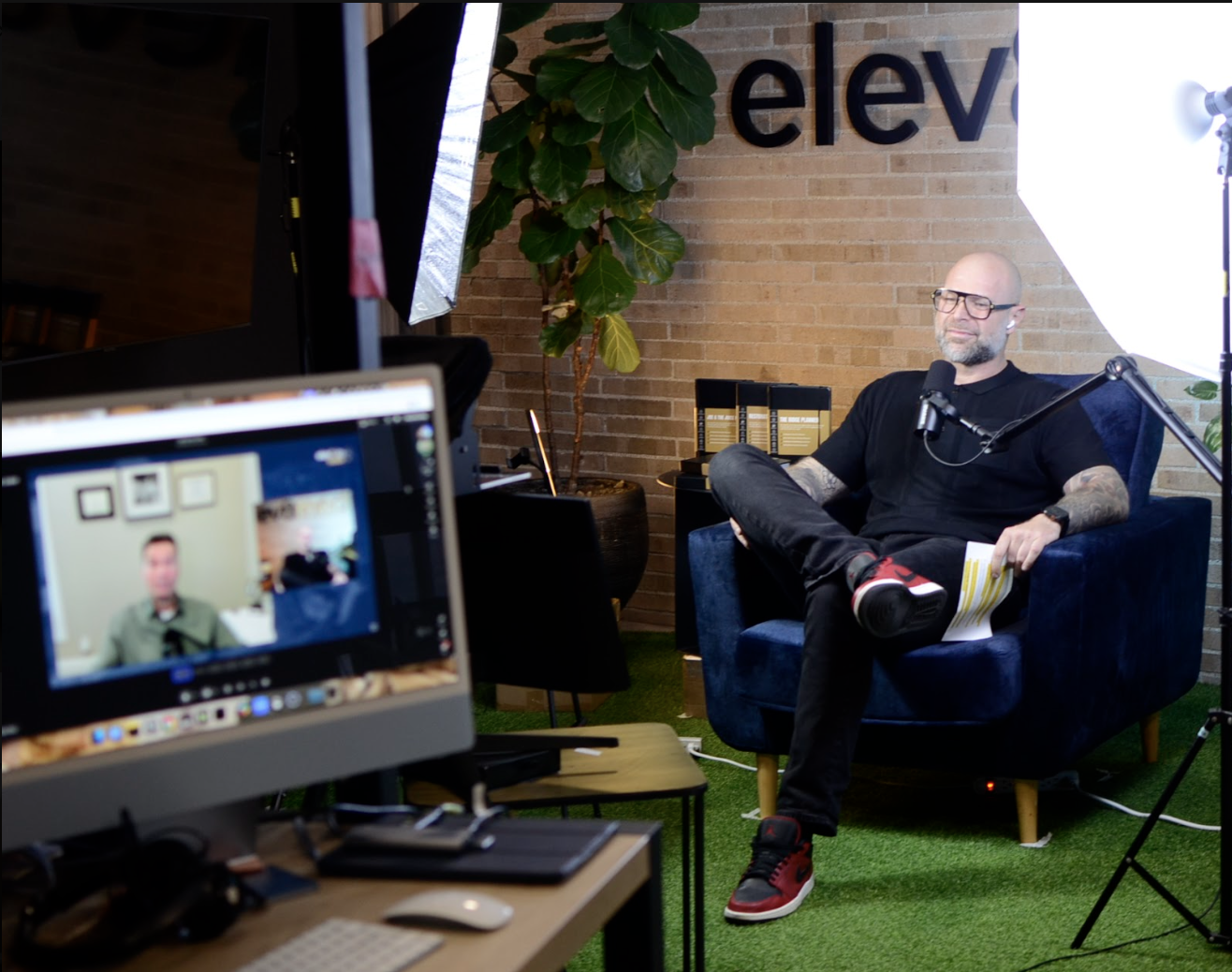
In this episode, Gary Garth sits down with Clint Mally, VP of Content at Recovery.com, to unpack a four-step framework that starts at the bottom of the funnel with admissions alignment and conversion tracking — and only then expands toward authority, trust, and scalable visibility. Clint is also offering free professional alumni testimonial filming for any facility that contacts him — mention this episode.
Key Takeaways
- Start at the bottom of the funnel, not the top. Most facilities jump to blogs and social content before their call answer rate, VOB form, and thank-you page are optimized. Those bottom-funnel conversion points must be locked before investing in visibility.
- 3-point lead scoring is the foundation. Score every call: can they pay (payment eligibility), do we serve their need (clinical fit), are they the right demographic (demographic fit)? This aligns admissions and marketing around the same definition of a qualified lead.
- VOB form and thank-you page are high-leverage, low-effort wins. Simplify the VOB form. Set clear expectations on the thank-you page (when they'll hear back, next steps). Facilities that add these two elements see meaningful conversion lifts with almost no additional cost.
- Alumni testimonials are your most powerful trust asset. Clint's 7-question framework elicits authentic, emotionally resonant stories. One well-produced alumni testimonial can influence more admission decisions than months of blog content. And Clint is offering free testimonial filming for podcast listeners who email [email protected].
- The 16-point location page checklist. High-converting location pages include: clear specialty/niche, licensing and accreditation, insurance accepted, virtual tour or photo gallery, alumni testimonial, clinical team bios, local stats, clear CTA, mobile optimization, and more. Most facilities are missing 8–10 of these.
“I'll never forget the alumni I interviewed who said: 'I heard my own story come out of somebody else's mouth on this video, and it made me want to go into treatment.' When you're before recovery, you feel tragically unique. Alumni stories fix that — they make people feel like they're not alone, and like there's hope.”— Clint Mally, VP of Content — Recovery.com
Episode Chapters
- 02:23Why most content strategies fail: starting at the top of the funnel
- 05:30Admissions first: the 3-point lead scoring framework
- 12:00Fixing your VOB & thank-you page for better conversion
- 18:30The trust equation: empathy + authority on location pages
- 25:00Pathos, ethos & logos in behavioral health marketing
- 32:00The 7-question alumni testimonial framework
- 41:00When to ask for reviews vs. testimonial videos
- 48:00The 16-point location page checklist
- 55:00Market expansion strategy: evaluating new locations
Frequently Asked Questions
What is Reverse Content Marketing and how does it apply to treatment centers?
Reverse Content Marketing starts at the bottom of the admissions funnel — call answer rate, VOB form, thank-you page, location page conversion — and works backward toward blogs, social media, and SEO. Most treatment centers do this in reverse order, investing in top-of-funnel visibility before the bottom-of-funnel conversion infrastructure is solid. Fixing the bottom first produces faster, more measurable ROI.
What is the 3-point lead scoring framework?
Score every inbound call on three dimensions: payment eligibility (can they fund treatment?), clinical fit (do we serve their specific need?), and demographic fit (do they match the population we serve?). This aligns admissions and marketing around a shared definition of a qualified lead and prevents admissions teams from chasing volume at the expense of quality.
What are the most important elements of a high-converting location page?
Clint's 16-point checklist includes: clear specialty and niche, licensing and accreditation, insurance accepted, virtual tour or photo gallery, alumni testimonial video, clinical team bios, local community stats, fast-loading mobile experience, and a single clear primary CTA. Most facilities are missing 8–10 of these elements on their key pages.
What is the best way to collect alumni testimonials?
Use the 7-question framework: ask alumni about their life before treatment, why they chose this facility, the moment things started to change, what they learned about themselves, how their relationships have changed, what they'd say to someone considering treatment, and what their life looks like now. Timing matters: a 30-day check-in captures raw emotion, a 1-year anniversary captures sustained transformation. Both are valuable for different stages of the prospective patient journey.
Full Transcript
Cleaned and speaker-labeled. Jump to any moment via the chapters above, or open the complete transcript below.
Read the full transcript9 chapters · ~?
Why most content strategies fail: starting at the top of the funnel02:23
Gary Garth: Welcome back to The elev8.io Podcast. Today we're joined by Clint Mally, VP of Content at Recovery.com. Clint, welcome to the show.
Admissions first: the 3-point lead scoring framework05:30
Clint Mally: Thanks for having me, Gary. Pleasure to be here.
Fixing your VOB & thank-you page for better conversion12:00
Gary Garth: When I think about content marketing for behavioral health, I see facilities outsourcing it to agencies that produce AI-generated content not aligned with the facility's voice, not positioning them as thought leaders, not building trust or credibility. Break down for us — what is Reverse Content Marketing?
Clint Mally: When most people think about content marketing, the first thing they think about is social media or blog posts — the last thing they want to do because their whole goal is to get admissions. Reverse Content Marketing starts with the end in mind. What if we created content for the very bottom of the funnel where we're trying to get everybody anyway? We perfected that first — made sure there were no leaks — and then broadened our reach outward. The goal is that after I walk people through these four steps, they can say: that's something we're missing, that's a step we skipped. If they start at the bottom, they'll convert more, help more people, and then reach more people.
The trust equation: empathy + authority on location pages18:30
Gary Garth: How does tracking come into play when it comes to content strategy?
Pathos, ethos & logos in behavioral health marketing25:00
Clint Mally: The first part is to think about your admissions team — that is fundamental to everything. Make sure your call answer percentage is really high. If someone submits a VOB form, respond within five minutes. No matter how amazing your content is, if that's not locked in, it won't matter. You also need a lead scoring system. I use three categories: can they pay (payment eligibility), do they need what we have (clinical fit), and do they fit our demographic. That's basic foundational stuff you have to have before content can do its job.
Clint Mally: And then the alumni testimonial piece — I'll never forget interviewing one alumni for a treatment center. The way he got into treatment: he said, "I heard my story come out of somebody else's mouth on this video, and it made me want to go into treatment." When you're before recovery, you feel tragically unique. You feel like nobody's ever understood or had it as bad as you. But when you hear someone else say it, it makes you feel like you're not alone. It makes you feel like there's hope.
About the Guest
Clint Mally — Recovery.com
Clint Mally is VP of Content at Recovery.com, one of the leading platforms connecting individuals and families with trusted behavioral health treatment providers. Before joining Recovery.com, Clint led content and growth at Sandstone Care, helping grow the network from ~12 to 20+ locations across Colorado, Virginia, Maryland, and Illinois. He is known for his 16-point location page conversion checklist, his 7-question alumni testimonial framework, and his Reverse Content Marketing methodology.
Connect on LinkedInAbout the Host

Gary Garth
Founder & CEO, elev8.io
Gary Garth is the Founder & CEO of elev8.io, where he helps behavioral health organizations achieve full census through integrated marketing, admissions, and technology-driven growth systems. With more than a decade of experience working alongside Google, Microsoft, and high-growth technology companies, Gary has built and implemented scalable growth frameworks now used by 55+ treatment centers across the United States to drive admissions and operational efficiency. Read more
Connect on LinkedInRelated from elev8.io
Curious what your true cost per admission is?
Run your numbers with our Behavioral Health Growth Calculator,
or talk strategy with our team.