Pre, During & After: A Smarter Framework for Getting Real Conference ROI in Behavioral Health
Most treatment centers attend behavioral health conferences and come home with a stack of business cards and no ROI. The problem isn't the conference — it's the absence of a strategic framework for what happens before, during, and after the event.
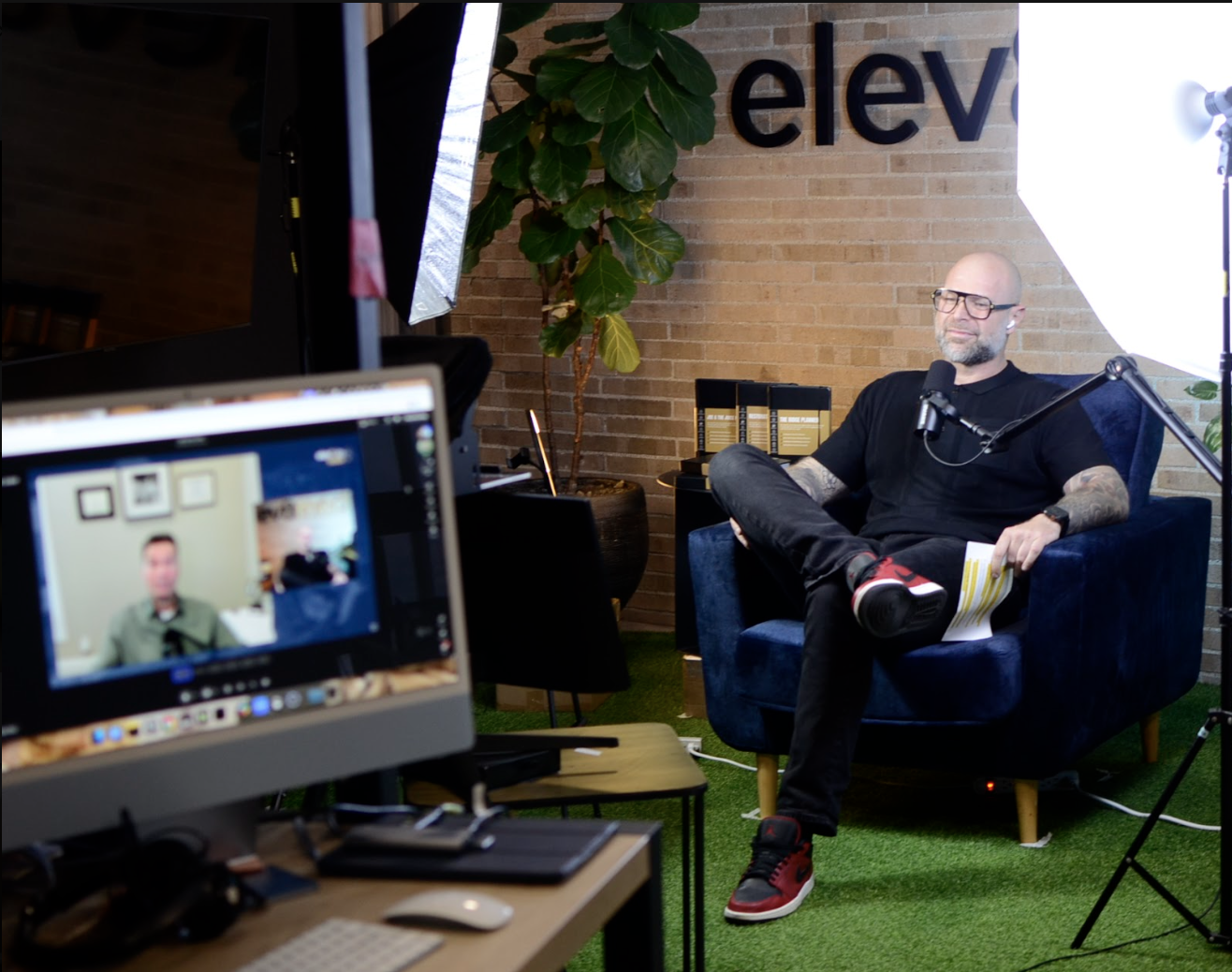
In this episode, Gary Garth sits down with Doug Edwards, VP at HMP Global — one of the largest healthcare conference producers in the world — to break down the three-phase conference playbook that elite behavioral health organizations use to turn event attendance into measurable referral pipelines and sustainable business development.
Key Takeaways
- Conferences are not vacations — and shouldn't feel like it. The facilities getting consistent referral ROI from conferences treat every event as a business development sprint with defined goals, defined contacts, and defined post-event actions. Most facilities treat them as team rewards and wonder why the ROI never materializes.
- Pre-event: set your target list and warm up before you arrive. Know exactly which referral sources, payers, or BD contacts will be attending. Send a personalized message before the event: "I saw you're attending — I'd love to carve out 15 minutes." A warm handshake beats a cold introduction every time.
- During: the dinner and the breakfast meeting are where the business happens. The expo floor is visibility. The dinner or informal breakfast the day before the conference officially starts is where the deals get made. Budget for this. Plan it three weeks out. Don't wing it.
- Post-event follow-up is where most organizations die. Within 48 hours of leaving a conference, send a personalized note — not a mass email blast — referencing the specific conversation you had. Week two: a value-add resource. Week four: a check-in. Most facilities send one generic email and then go silent. That's not a follow-up cadence; that's a missed opportunity.
- Track what you're spending and what you're getting back. Attendance fees, travel, hotel, staff time — a mid-size conference can cost $15,000–$30,000 for a team of three. Know what referral pipeline you need to generate to break even, and measure it quarterly.
“These are not vacations for your staff. They are opportunities for you to build business, build referral networks, build connections. And if you go in without a pre-event plan, without a post-event follow-up strategy, you're leaving the most valuable part of the conference on the table.”— Doug Edwards, VP — HMP Global
Episode Chapters
- 00:00Doug's background and the behavioral health conference landscape
- 04:00Why most facilities get no ROI from conferences
- 08:00Phase 1 — Pre-event: setting goals and warming contacts
- 14:00Phase 2 — During the event: where the real business happens
- 20:00The dinner strategy and informal meetings before the conference
- 26:00Phase 3 — Post-event follow-up cadence that actually converts
- 33:00How to track conference ROI and justify the investment
- 38:00Upcoming behavioral health conferences worth attending
Frequently Asked Questions
What is the three-phase behavioral health conference framework?
Pre-event: set a target list, warm up key contacts personally, and book informal dinners or breakfasts before the conference starts. During the event: use the expo floor for visibility, but treat informal meetings and meals as the primary business development venue. Post-event: send personalized follow-up within 48 hours of leaving, then a value-add at week two, then a check-in at week four. Most organizations do phase 2 and skip phases 1 and 3 entirely.
How much should a treatment center budget for conference attendance?
A team of three at a mid-size behavioral health conference — registration, travel, hotel, meals, and hosting a dinner — typically runs $15,000–$30,000. Before committing, define what referral pipeline you need to generate to break even and measure it quarterly. Conferences are a business development investment; they should be tracked like one.
What makes an effective post-conference follow-up?
Speed and personalization. Within 48 hours, send a note referencing the specific conversation you had — not a mass email. Week two: share a resource relevant to something they mentioned. Week four: a brief check-in. Most facilities send one generic email and go silent. That's not a follow-up cadence — that's a missed opportunity. The relationship was started at the conference; the deal closes in the follow-up.
Full Transcript
Cleaned and speaker-labeled. Jump to any moment via the chapters above, or open the complete transcript below.
Read the full transcript8 chapters · ~?
Doug's background and the behavioral health conference landscape00:00
Why most facilities get no ROI from conferences04:00
Gary Garth: Welcome back to The elev8.io Podcast. Today I'm joined by Doug Edwards, VP at HMP Global — one of the largest producers of healthcare conferences in the world. Doug, welcome.
Phase 1 — Pre-event: setting goals and warming contacts08:00
Doug Edwards: Thanks, Gary. Really excited to be here. Big fan of what you're building with the podcast.
Phase 2 — During the event: where the real business happens14:00
Gary Garth: Let's get right into it. Behavioral health conferences — ASAM, NAATP, regional events — most organizations attend them, spend real money, and then come home wondering what they got. What are the facilities that actually see ROI doing differently?
Doug Edwards: The number one differentiator is having a three-phase strategy. Pre-event, during the event, and post-event. Most organizations skip phase one entirely — they book their tickets, book their hotel, show up, walk the floor, go to a few sessions, and then go home. The organizations getting real ROI from conferences treat the event like a business development sprint. They know exactly who they want to meet, they've reached out before the event, they've set meetings. These are not vacations for your staff. They are opportunities for you to build business, build referral networks, build connections. And if you go in without a pre-event plan, without a post-event follow-up strategy, you're leaving the most valuable part of the conference on the table.
The dinner strategy and informal meetings before the conference20:00
Gary Garth: Walk us through what that pre-event phase actually looks like operationally.
Phase 3 — Post-event follow-up cadence that actually converts26:00
Doug Edwards: Start with a target list. Who is attending this conference that you want to meet? Referral sources, payers, potential BD partners, clinical directors from facilities you want to build relationships with. Most conferences publish an attendee list or have an app where you can see who's registered. Use that list to identify your top 10–20 targets three weeks before the event. Then reach out personally — not a mass email. "Hey, I saw you're attending the ASAM annual conference. I'd love to carve out 15 minutes to connect." A warm handshake at the event is ten times more valuable than trying to cold-stop someone at the expo floor. The breakfast or dinner the night before the conference officially kicks off — that's where the real conversations happen. Budget for it. Plan it. Don't leave it to chance.
About the Guest
Doug Edwards — HMP Global
Doug Edwards is VP at HMP Global, one of the world's largest producers of healthcare conferences and continuing medical education events. With deep expertise in the behavioral health conference ecosystem — including ASAM, SAMHSA, NAATP, and regional events — Doug has helped hundreds of treatment organizations understand how to maximize event ROI through intentional pre-event positioning, on-site relationship building, and post-event follow-up cadence.
Connect on LinkedInAbout the Host

Gary Garth
Founder & CEO, elev8.io
Gary Garth is the Founder & CEO of elev8.io, where he helps behavioral health organizations achieve full census through integrated marketing, admissions, and technology-driven growth systems. With more than a decade of experience working alongside Google, Microsoft, and high-growth technology companies, Gary has built and implemented scalable growth frameworks now used by 55+ treatment centers across the United States to drive admissions and operational efficiency. Read more
Connect on LinkedInRelated from elev8.io
Curious what your true cost per admission is?
Run your numbers with our Behavioral Health Growth Calculator,
or talk strategy with our team.