
AI vs. Human: What Actually Converts in Behavioral Health Admissions
AI is reshaping admissions processes across behavioral health — faster response times, automated follow-up, 24/7 availability. But as AI takes over the mechanics of the funnel, the human elements become more valuable, not less. Drew Powers has spent years studying what actually converts in behavioral health admissions — and his conclusion may surprise you.
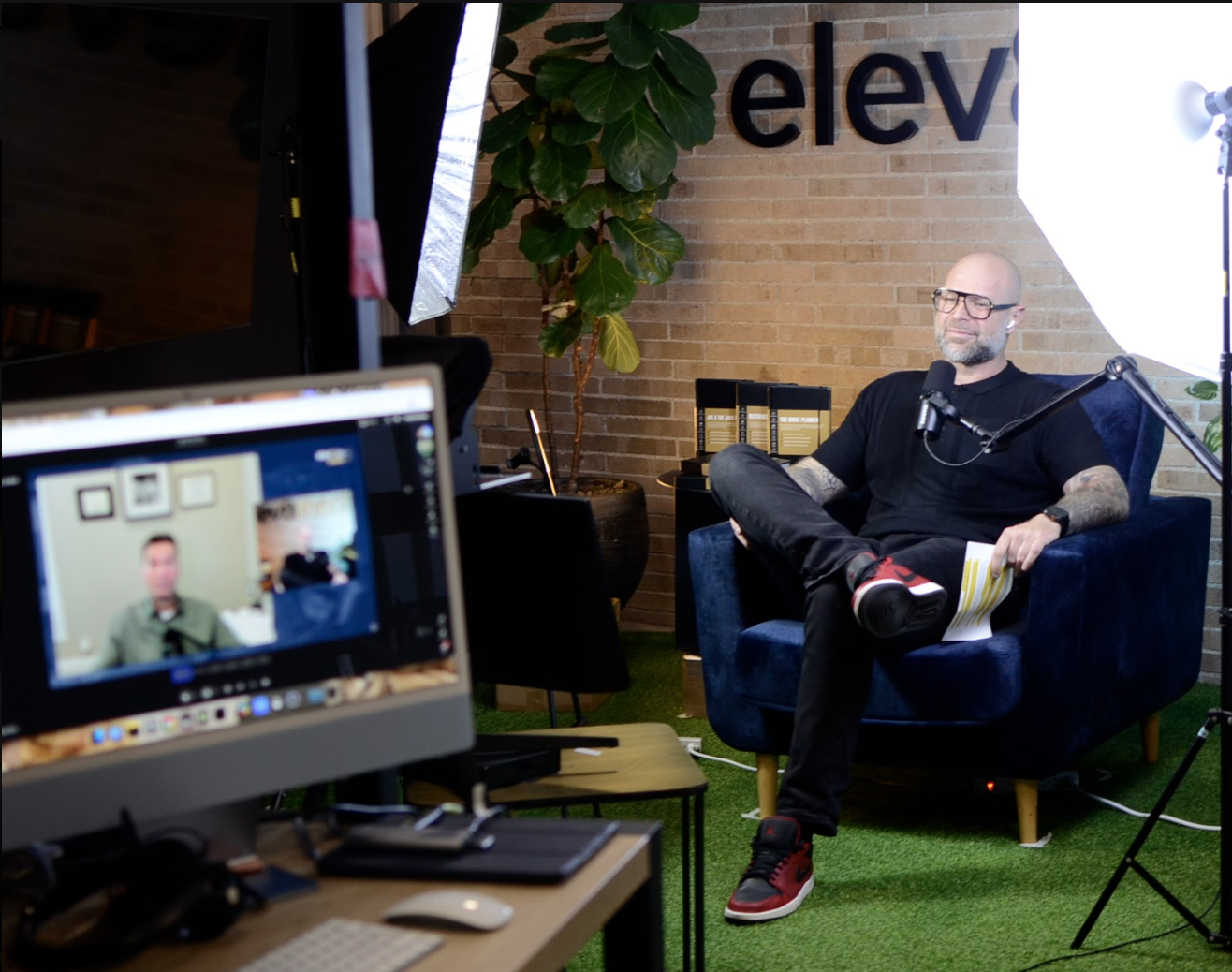
In this episode, Gary Garth sits down with Drew Powers, founder of Rollover Rep, to break down exactly where AI makes admissions teams more effective — and where it cannot substitute for a skilled, empathetic human on the other end of the phone.
Key Takeaways
- AI belongs in the logistics layer, not the trust layer. Speed to lead, appointment scheduling, automated follow-up, missing lead recovery — these are high-value, high-reliability AI use cases in admissions. The first phone call with a scared family member — that's a human job.
- We're not selling products; we're selling trust. Behavioral health is a high-stakes, emotionally charged purchase. The family calling about their loved one has often tried and failed before. They are not evaluating a product — they are deciding whether to trust you with the most important relationship in their life. That level of trust cannot be built through automation.
- AI can make the human more effective. CRM auto-population from call transcripts, AI-generated follow-up drafts that a human reviews and personalizes, behavioral flags that identify when a lead needs an elevated follow-up — these are AI use cases that make admissions teams faster and more consistent without removing the human relationship.
- Response time is the most measurable missed opportunity in admissions. The research is consistent: facilities that respond to inquiries within 5 minutes convert at dramatically higher rates than those that respond within an hour. AI can solve this — not by having a bot answer the call, but by triggering an instant follow-up that warms the lead and sets an expectation for when a human will call back.
- The facilities that win will be the ones that use AI to free up humans for humans. If AI is handling scheduling, data entry, follow-up logistics, and lead recovery — and human admissions specialists are freed up to be fully present on every call — the result is more admissions, not fewer. That's the integration model that works.
“We don't sell products in behavioral health. We're selling trust. We're selling relationships. We're selling compassion. We're selling hope. Those are human emotions. AI doesn't have them. And the family on the other end of that phone knows the difference.”— Drew Powers, Founder — Rollover Rep
Episode Chapters
- 00:00Drew's background and what Rollover Rep does
- 04:00Where AI genuinely improves behavioral health admissions
- 09:00Speed to lead: why response time is the biggest missed opportunity
- 14:00Why we're selling trust, not products — and what that means for AI
- 19:00The human elements AI cannot replicate in admissions conversion
- 25:00How to use AI to make human admissions reps more effective
- 31:00What the best-performing admissions teams look like in 2026
- 37:00Building the AI + human integration model for your facility
Frequently Asked Questions
Where does AI belong in behavioral health admissions and where does it not?
AI belongs in the logistics layer: speed to lead response, scheduling, follow-up cadence, missing lead recovery, CRM auto-population, call transcription. It does not belong in the relationship layer: the first conversation with a family, empathetic objection handling, the moment a caller decides whether they trust your facility enough to admit their loved one. Those require human connection that AI cannot replicate.
Why is response time so important in behavioral health admissions?
Research consistently shows that facilities responding to inquiries within 5 minutes convert at dramatically higher rates than those responding within an hour. The family calling is often at a decision point — they may not call back if they don't hear from you quickly. AI can solve this without replacing humans: an instant automated acknowledgment with a clear timeframe for when a human will call back maintains the relationship while buying time.
What does 'AI + human integration' look like in a high-performing admissions team?
AI handles everything around the call — instant response, lead qualification, scheduling, post-call CRM population, follow-up draft generation, and behavioral flags that surface leads needing escalation. Human admissions specialists are freed from logistics and can be fully present on every call. The result: faster response times, more consistent follow-up, and humans who are less burned out and more effective on the relationships that actually convert.
Full Transcript
Cleaned and speaker-labeled. Jump to any moment via the chapters above, or open the complete transcript below.
Read the full transcript8 chapters · ~?
Drew's background and what Rollover Rep does00:00
Where AI genuinely improves behavioral health admissions04:00
Gary Garth: Welcome back to The elev8.io Podcast. Today I'm joined by Drew Powers, founder of Rollover Rep. Drew, welcome to the show.
Speed to lead: why response time is the biggest missed opportunity09:00
Drew Powers: Thanks for having me, Gary. Really excited to dig into this one — it's a conversation the industry needs to be having.
Why we're selling trust, not products — and what that means for AI14:00
Gary Garth: Let's set the frame. AI is everywhere right now — CRMs, chatbots, automated follow-up. What's your overall take on AI in behavioral health admissions?
The human elements AI cannot replicate in admissions conversion19:00
Drew Powers: My take is that AI is genuinely transformative in the logistics layer of admissions — and genuinely dangerous in the relationship layer. Speed to lead, scheduling, follow-up cadence, missing lead recovery — these are high-value, high-reliability use cases for AI. The first conversation with a scared parent who's been burned before, who's finally worked up the courage to make the call — that's a human job. And I think the risk right now is that some facilities are moving AI into the relationship layer because it's cheaper, without fully understanding what they're giving up. We don't sell products in behavioral health. We're selling trust. We're selling relationships. We're selling compassion. We're selling hope. Those are human emotions. AI doesn't have them. And the family on the other end of that phone knows the difference.
Gary Garth: So where specifically does AI belong — and where does it not?
How to use AI to make human admissions reps more effective25:00
Drew Powers: AI belongs in everything that happens around the call. Before the call: instant response, setting an expectation for when a human will follow up, qualifying the lead so the rep has context before they dial. During the call: transcription, real-time coaching prompts, compliance flags. After the call: CRM auto-population, follow-up draft generation, behavioral flags that tell a supervisor this lead needs escalation. None of that is the relationship. All of it makes the human who builds the relationship faster, smarter, and more consistent. The integration model — AI handling logistics, humans handling relationships — that's where the facilities that win in 2026 will be operating.
About the Guest
Drew Powers — Rollover Rep
Drew Powers is the founder of Rollover Rep, a platform built to improve admissions team performance in behavioral health through training, technology, and process design. With deep experience in both admissions and technology, Drew has developed a clear-eyed view of where AI genuinely improves admissions workflows — and where human connection remains irreplaceable. He is a strong advocate for the idea that AI should amplify admissions teams, not replace them.
Connect on LinkedInAbout the Host

Gary Garth
Founder & CEO, elev8.io
Gary Garth is the Founder & CEO of elev8.io, where he helps behavioral health organizations achieve full census through integrated marketing, admissions, and technology-driven growth systems. With more than a decade of experience working alongside Google, Microsoft, and high-growth technology companies, Gary has built and implemented scalable growth frameworks now used by 55+ treatment centers across the United States to drive admissions and operational efficiency. Read more
Connect on LinkedInRelated from elev8.io
Curious what your true cost per admission is?
Run your numbers with our Behavioral Health Growth Calculator,
or talk strategy with our team.