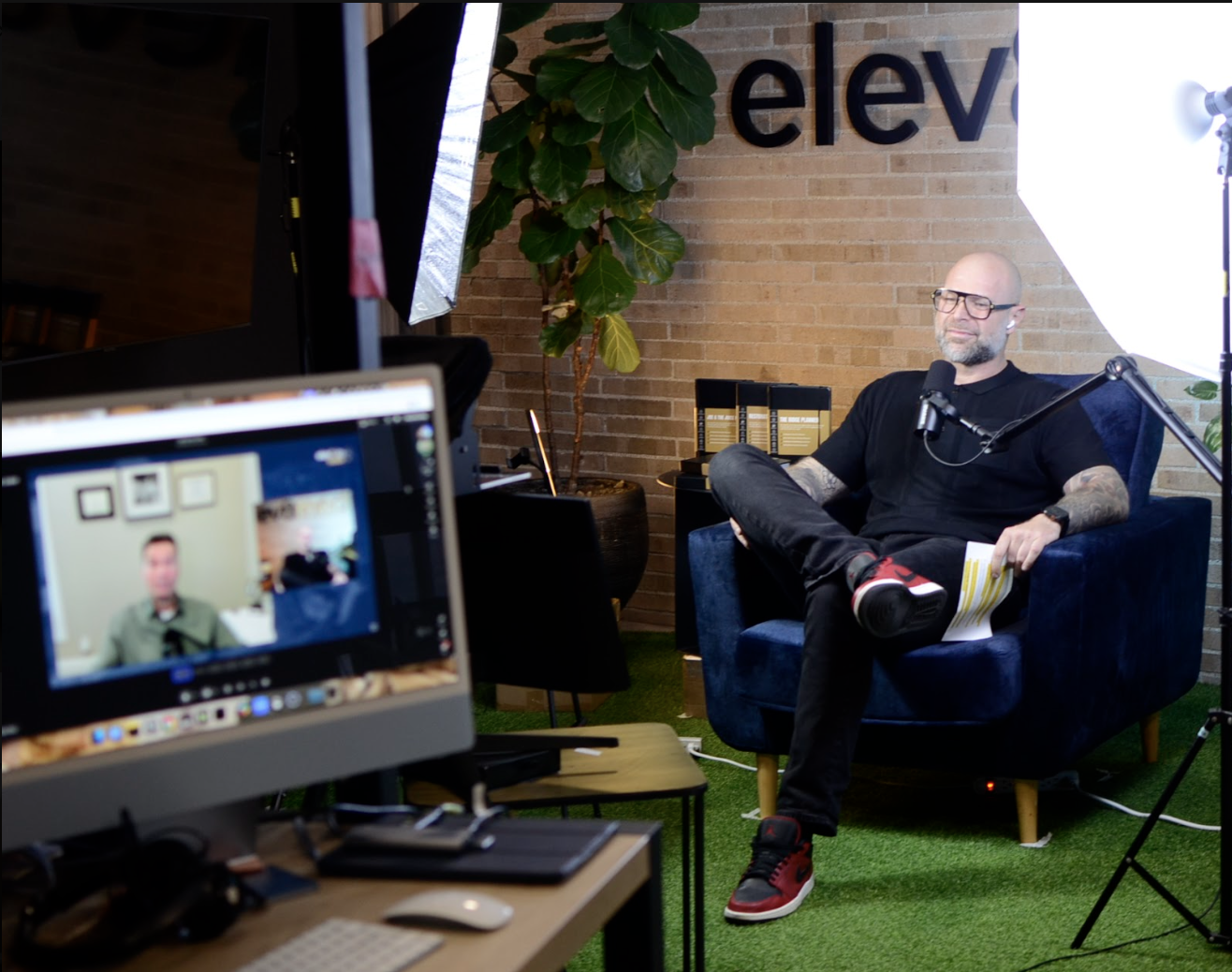
Getting Sober vs. Staying Sober: The Missing Link in Behavioral Health
Getting someone sober is one thing. Keeping them sober is the harder problem — and it's where most treatment centers stop investing. The gap between detox, residential treatment, and true long-term recovery is where relapse happens, and where the most meaningful clinical and business work remains undone.
In this episode, Gary Garth sits down with Frank Galimidi, COO of Sunview Wellness and a licensed CASAC, CAP, CRADC, NCACII, ICADC, and SAP, to explore what it actually takes to bridge the gap between getting sober and staying sober — and why the facilities that solve this problem will win on outcomes, reputation, and sustainable census.
Key Takeaways
- "Readmissions are part of the business plan." Frank names the uncomfortable incentive structure that many treatment center executives know exists but rarely discuss openly: a business model that profits more from revolving-door readmissions than from building the long-term recovery infrastructure that actually prevents relapse.
- The gap between detox and lasting recovery. Most treatment programs end at 30 or 90 days. Recovery science shows that lasting behavioral change requires 12–24 months of sustained support. The facilities that bridge this gap — with structured aftercare, sober living, peer support, and alumni engagement — produce measurable outcome differences.
- Recovery capital matters more than duration. Housing, employment, community, and purpose are stronger predictors of sustained sobriety than the number of days in a residential program. Treatment centers that invest in these recovery capital supports — or partner with organizations that do — see far lower relapse rates.
- Referral-based census rewards outcomes. The facilities that build strong long-term recovery track records get referrals from therapists, judges, probation officers, and former patients who trust them with their most difficult cases. Outcomes-driven census is less volatile and less dependent on paid acquisition.
- Aftercare is both the ethical imperative and the growth strategy. Building genuine long-term recovery infrastructure is the right thing to do clinically and ethically — and it's also the most durable census strategy available to a treatment center with a long-term mindset.
“Readmissions are part of the business plan. It's built into the business plan. And until we as an industry are willing to have that honest conversation — and build the aftercare infrastructure that actually prevents them — we're not fully serving the people who trust us.”— Frank Galimidi, COO — Sunview Wellness
Episode Chapters
- 00:00Frank's background and the gap between getting and staying sober
- 05:00Why readmissions are "part of the business plan" in some facilities
- 10:00What recovery capital is and why it matters more than program length
- 16:00Housing, community, and peer support as clinical infrastructure
- 22:00How aftercare investment drives referral-based census
- 28:00Sunview Wellness: building the continuum that actually works
- 35:00What the industry must change to improve long-term outcomes
Frequently Asked Questions
What does 'getting sober vs. staying sober' mean as a clinical distinction?
Getting sober refers to the acute phase of treatment — detox and early recovery, typically 30–90 days. Staying sober refers to the chronic disease management that follows: housing, employment, community, peer support, and long-term engagement. Most treatment centers invest heavily in the former and minimally in the latter. The relapse data reflects this mismatch.
What is recovery capital and why does it matter more than program length?
Recovery capital is the sum of resources a person can draw on to initiate and sustain recovery: housing stability, employment, community connections, family support, and sense of purpose. Research consistently shows that recovery capital is a stronger predictor of long-term sobriety than days spent in residential treatment. Facilities that invest in building recovery capital — or partner with organizations that do — produce measurably better long-term outcomes.
Why are readmissions described as 'built into the business plan'?
The financial model of many treatment centers is based on episodic acute care: treat someone for 30–90 days, discharge them, and treat them again when they relapse. There's limited financial incentive to invest in the aftercare infrastructure that prevents relapse, because that infrastructure reduces readmissions. Frank's argument is that this incentive structure must change — and that the facilities willing to invest in genuine long-term recovery infrastructure will ultimately win on reputation, referrals, and sustainable census.
Full Transcript
Cleaned and speaker-labeled. Jump to any moment via the chapters above, or open the complete transcript below.
Read the full transcript7 chapters · ~?
Frank's background and the gap between getting and staying sober00:00
Gary Garth: Welcome back to The elev8.io Podcast. Today I'm joined by Frank Galimidi, COO of Sunview Wellness — and one of the most credentialed clinicians I've had on this show. Frank, welcome.
Why readmissions are "part of the business plan" in some facilities05:00
Frank Galimidi: Thank you, Gary. Honored to be here. Really enjoy what you're doing with this podcast.
What recovery capital is and why it matters more than program length10:00
Gary Garth: Let's start with the elephant in the room. You've been vocal about the gap between getting sober and staying sober — and why the industry isn't closing it. What's really going on?
Housing, community, and peer support as clinical infrastructure16:00
Frank Galimidi: The honest answer? Readmissions are part of the business plan. It's built into the business plan. The 30-day model, the 90-day model — they end, and then what? There's no continuity. The person goes back to the same environment, the same triggers, the same social network. And when they relapse — which statistically is likely — they come back. Some facilities would say they want better outcomes. And I believe many of them do genuinely want that. But if you look at the financial incentives — if there's no investment in sober living, no structured aftercare, no peer support system — then you're treating the acute crisis and not the chronic disease. And the chronic disease is what comes back.
How aftercare investment drives referral-based census22:00
Gary Garth: So what does it actually look like to close that gap? What's the infrastructure that works?
Sunview Wellness: building the continuum that actually works28:00
Frank Galimidi: Recovery capital. That's the term — and it encompasses housing, employment, community, and purpose. If someone leaves a 30-day program and goes back to a couch-surfing situation with no job and no support network, the science tells us they're at very high relapse risk regardless of how good their clinical work was in treatment. The facilities that are building the continuum — sober living partnerships, alumni programs, peer support specialists, 12-month aftercare check-ins — those are the ones showing meaningfully better long-term outcomes. And those outcomes drive referrals. Judges, therapists, probation officers — they send their hardest cases to the places that have earned their trust with consistent outcomes. That's a very different census model than Google Ads.
About the Guest
Frank Galimidi — Sunview Wellness
Frank Galimidi is COO of Sunview Wellness and one of the most credentialed clinicians in the behavioral health field — holding CASAC, CAP, CRADC, NCACII, ICADC, and SAP certifications. With decades of front-line experience in addiction treatment, Frank has built a reputation for confronting the industry's most uncomfortable truths: the gap between residential treatment and lasting recovery, the financial incentives that reward readmissions, and the clinical infrastructure — housing, community, peer support, and long-term engagement — that actually works.
Connect on LinkedInAbout the Host

Gary Garth
Founder & CEO, elev8.io
Gary Garth is the Founder & CEO of elev8.io, where he helps behavioral health organizations achieve full census through integrated marketing, admissions, and technology-driven growth systems. With more than a decade of experience working alongside Google, Microsoft, and high-growth technology companies, Gary has built and implemented scalable growth frameworks now used by 55+ treatment centers across the United States to drive admissions and operational efficiency. Read more
Connect on LinkedInRelated from elev8.io
Curious what your true cost per admission is?
Run your numbers with our Behavioral Health Growth Calculator,
or talk strategy with our team.